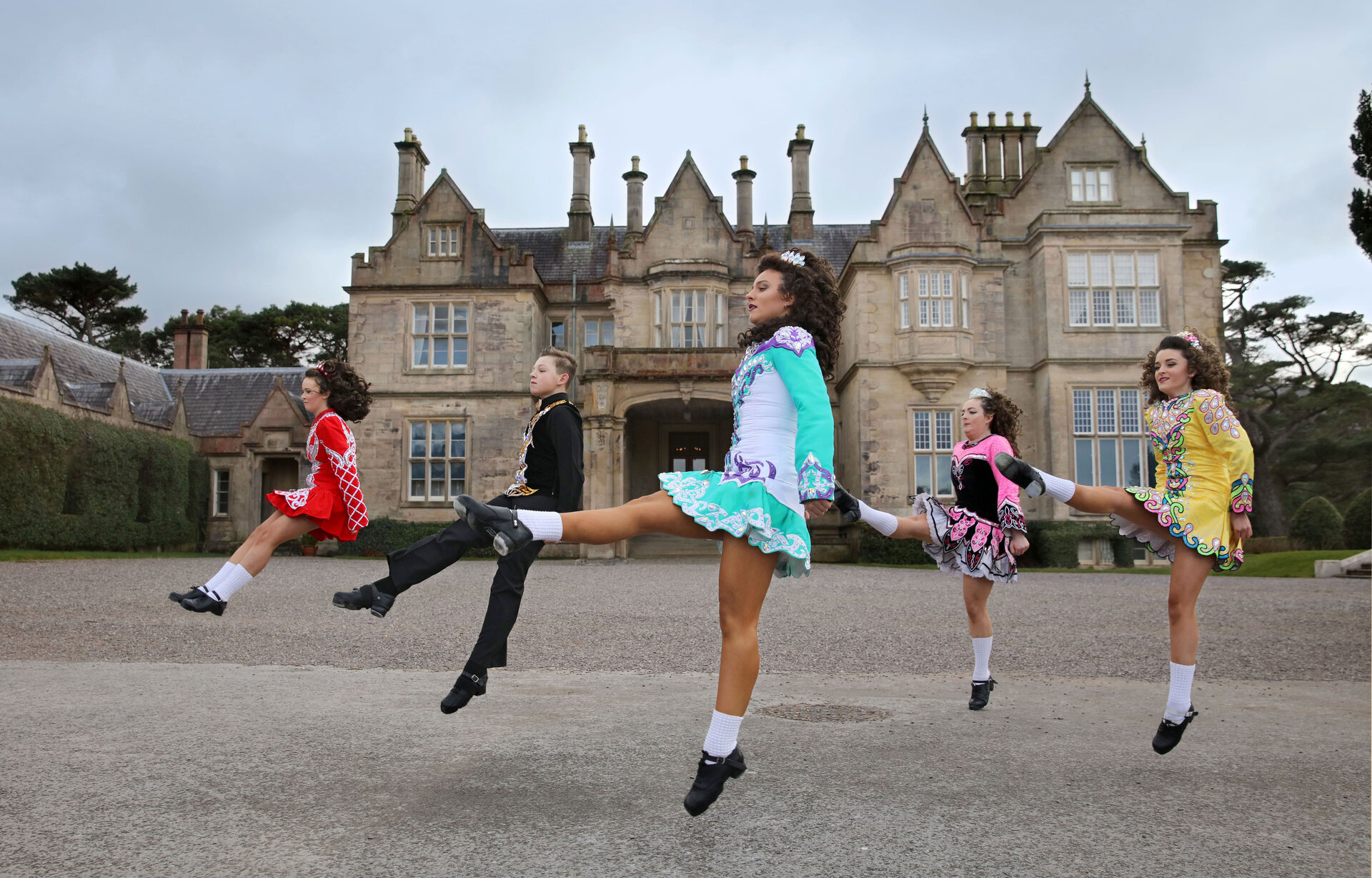
Thousands of dancers. Generations of families. Decades of competition.
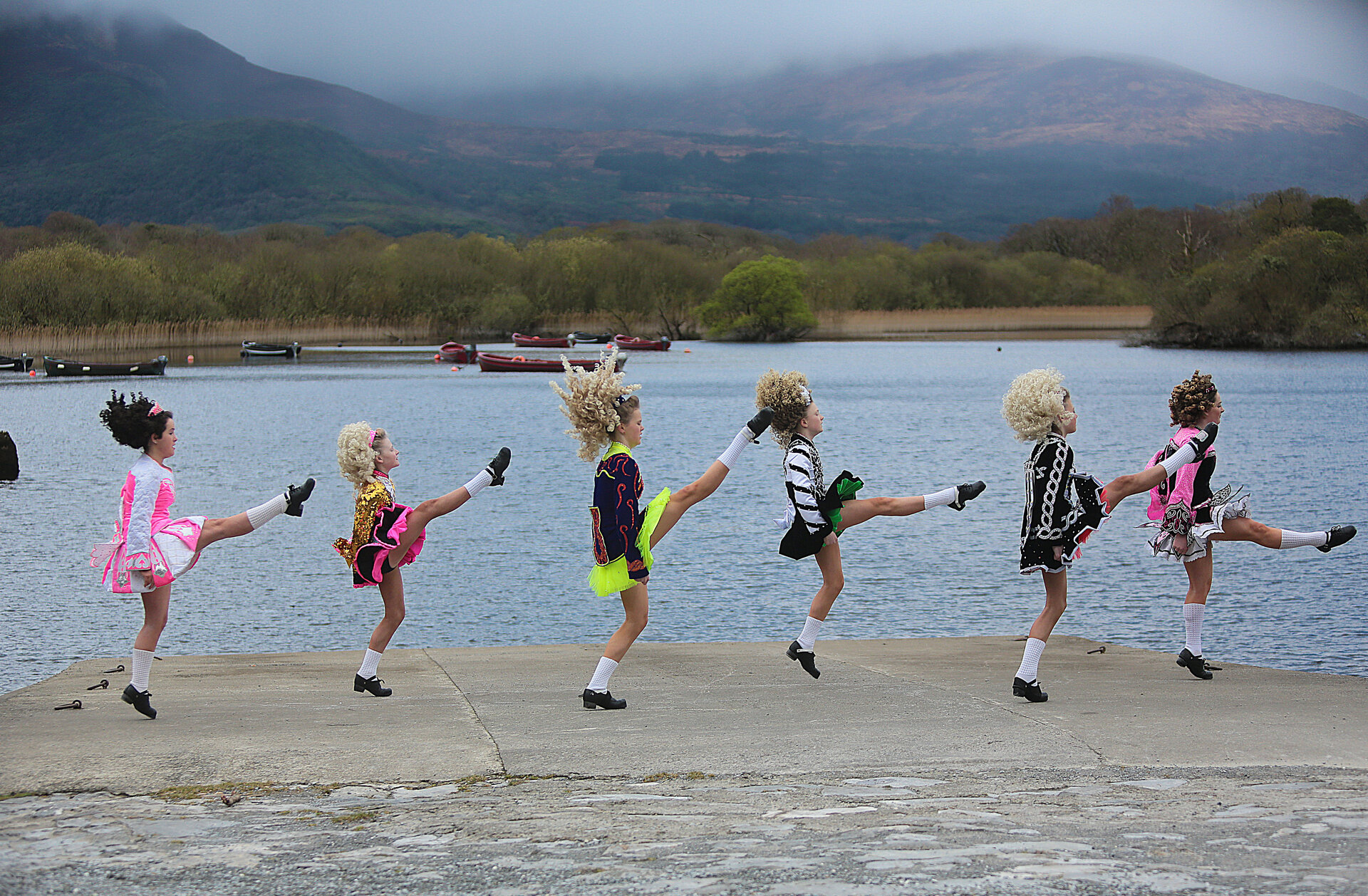
For decades, Irish dancers have travelled to Gleneagle, Killarney to compete on some of the biggest stages in Irish dancing.
All-Ireland, World and international championships organised by different Irish dancing organisations have brought competitors from Ireland and across the globe to Killarney, often accompanied by thousands of teachers, adjudicators, musicians, families, friends and supporters.
For a few days at a time, Irish dancing doesn't simply take place at Gleneagle.
It takes over.
Irish dancing championships have their own rhythm.
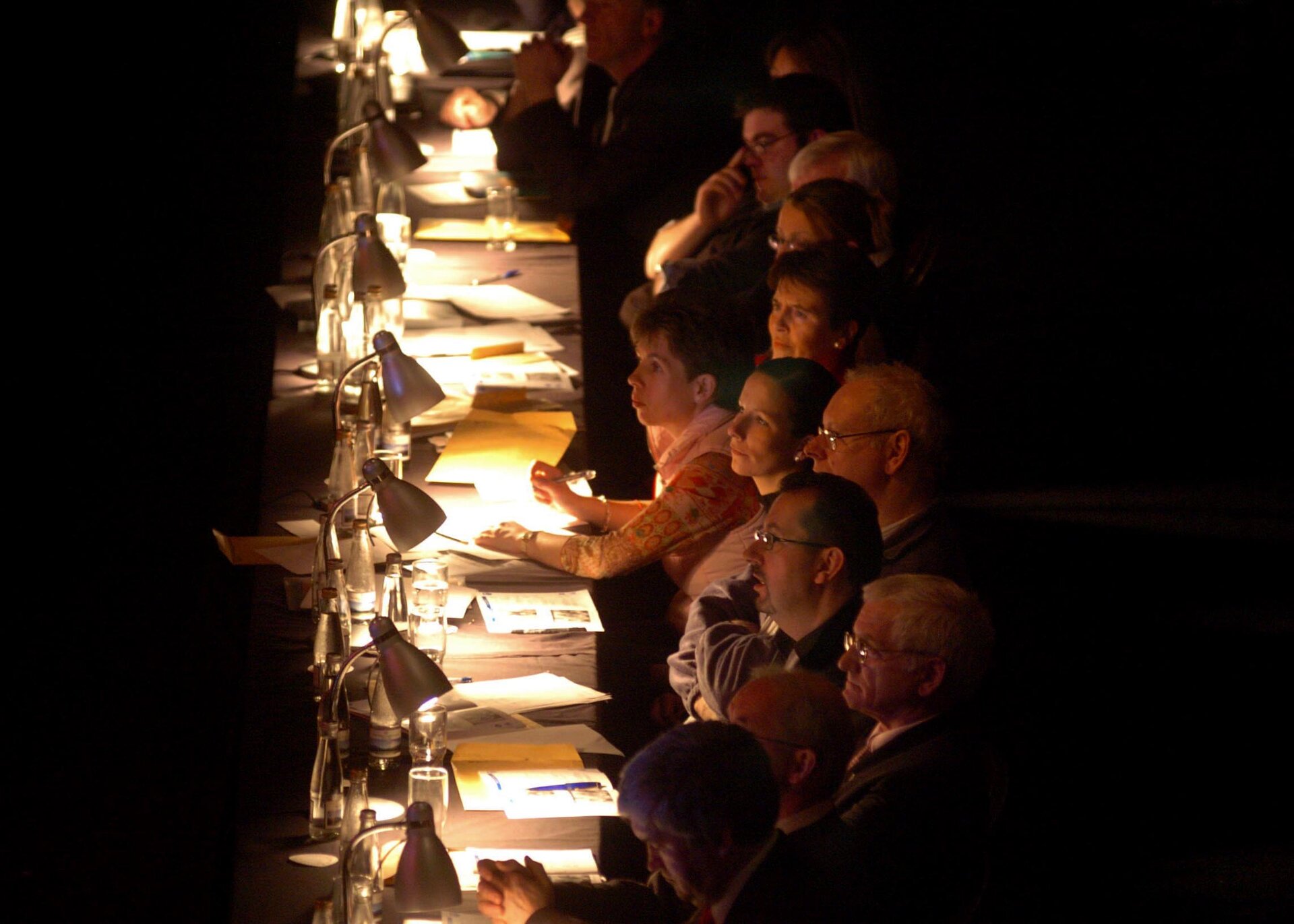
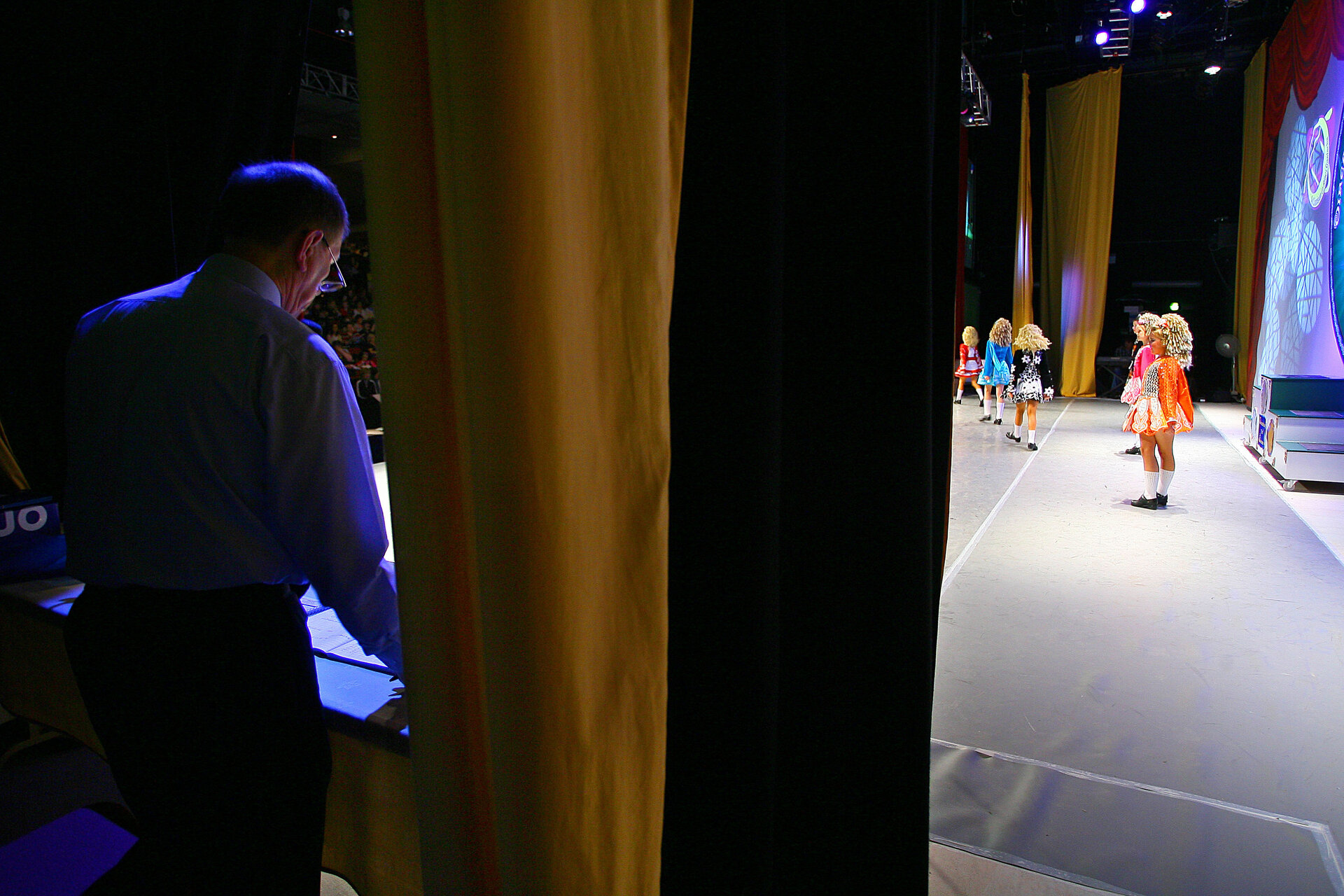
Competition can run across multiple days and spaces, with hundreds or thousands of dancers moving between preparation, practice, performance and presentation. Behind them are adjudicators, teachers, musicians, organisers and families, all working to the same detailed schedule.
Gleneagle's flexible event spaces allow the venue to be built around those requirements.
At major championships, Gleneagle Arena and the Ballroom have operated simultaneously as competition venues, allowing extensive programmes to run across
several days while keeping the event connected onsite. In 2024, for example, more than 2,500 dancers competed across 39 competitions over eight days at the An Chomhdháil World Championships
The competitors are only part of the event.
Major championships bring teachers, adjudicators, musicians, families, friends and supporters with them. That changes what an organiser needs from a venue. Competition spaces matter, but so do accommodation, food, places to gather, technical support and the ability to accommodate the wider community surrounding the event.
At Gleneagle, those different parts of the experience can happen together.
Irish dancing is extraordinarily competitive, but anyone who has experienced a major championship knows the event extends well beyond the few minutes a dancer spends on stage.
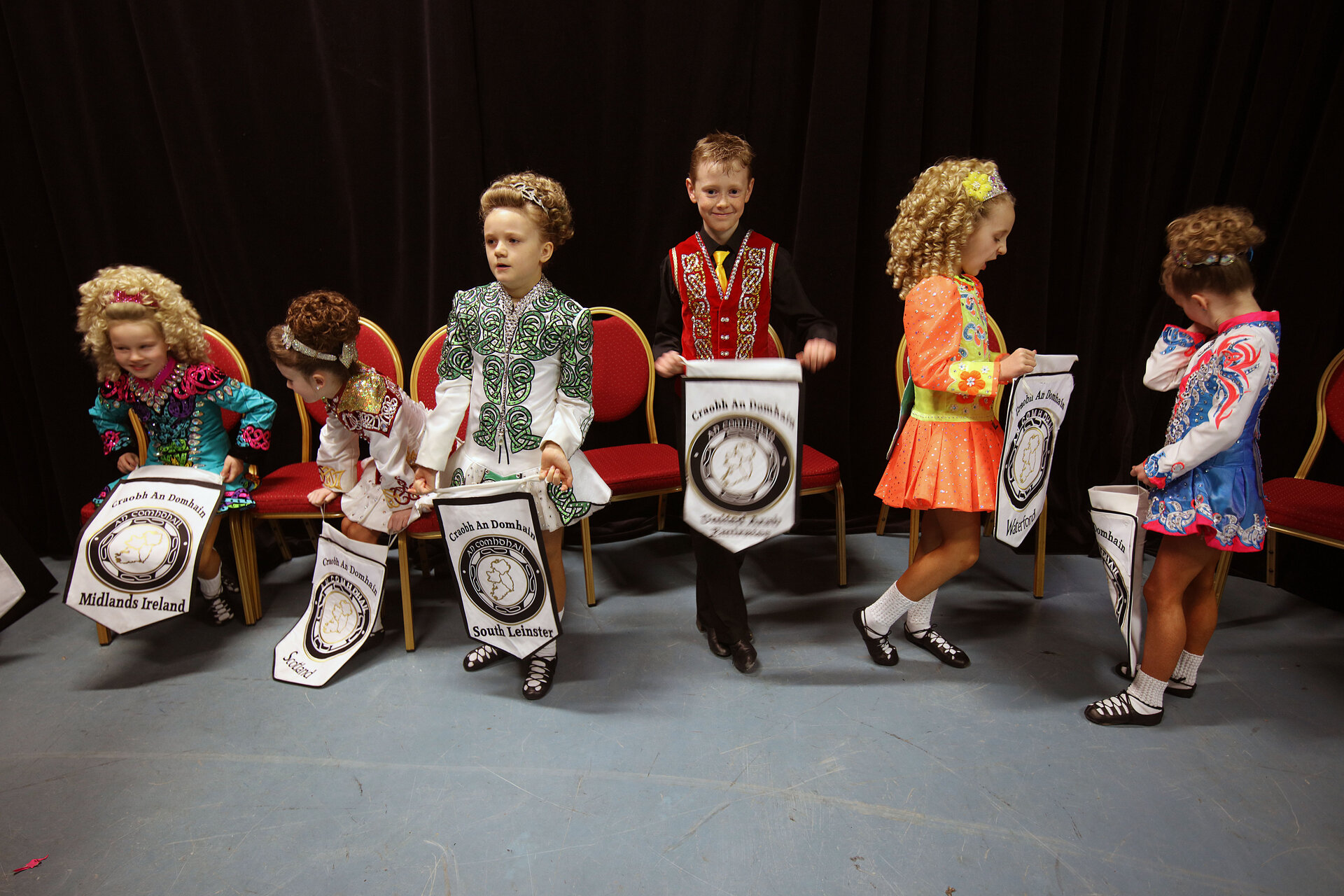
There are early starts and long days. Last-minute practice. Costumes and preparation. Waiting for results. Families watching from the audience. Friendships renewed year after year.
And then there is the moment a number is called and months or years of work come down to one performance.
Understanding the event means understanding all of it.
The international reach of these championships is significant.
Over the years, dancers competing at Gleneagle have travelled from throughout Ireland and Britain, continental Europe and North America, with some competitions drawing participants from much further afield.
The 2023 WIDA World and International Championships, for example, attracted dancers from countries including Australia, the USA, Hong Kong, Germany, the Netherlands, Ukraine, Spain, Hungary and Switzerland.
They come to compete in Irish dancing.
They also spend days together in Killarney.
That combination of competition, accommodation and destination helps turn a championship into something competitors and families experience together.
Perhaps the strongest proof isn't any individual championship.
It's that Irish dancing organisations keep coming back.
Different governing bodies. Different formats. Different generations of dancers.
Contemporary records show All-Ireland competitors travelling to Gleneagle as far back as 2002. An Chomhdháil has repeatedly returned with its World Championships, while other organisations have chosen Killarney for their own World, international and national competitions.
Some dancers who first came here as children will now be teachers, adjudicators or parents bringing another generation through the doors.
The competitions change. The welcome continues.
Every competitive event has its own format, community and requirements.
From competition spaces and technical production to accommodation, dining and everything that happens around the main event, talk to our team about building yours at Gleneagle.